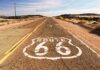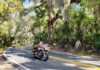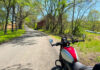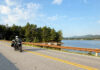


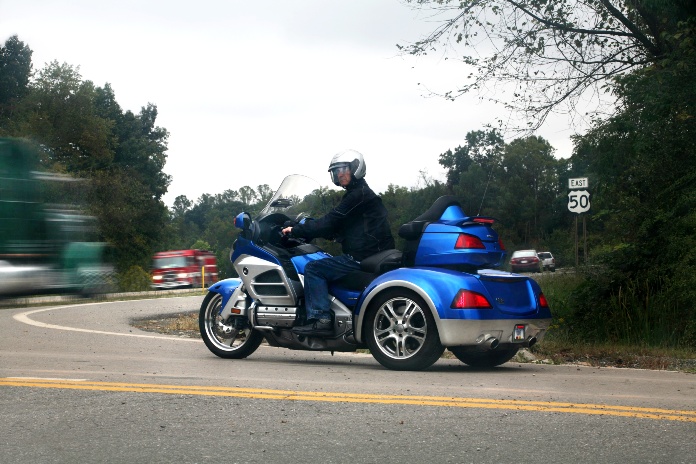
I was back at my old stomping grounds. It was here, 50 years ago, where my life changed, where a dream took hold and my road ahead took form. The camera I purchased from a Las Vegas pawn shop during my military service set things in motion. I came to Ohio University’s highly regarded photography program to learn and find my future, and now I was back. Athens was a natural beginning point, where I would finish a motorcycle ride that began years earlier.
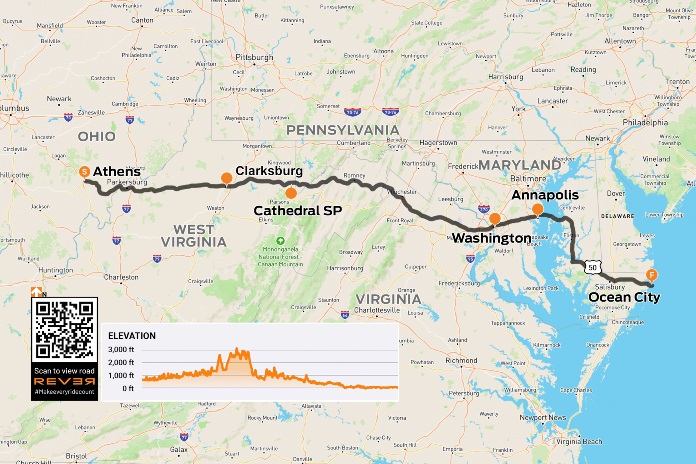
Scan QR code above or click here to view the route on REVER
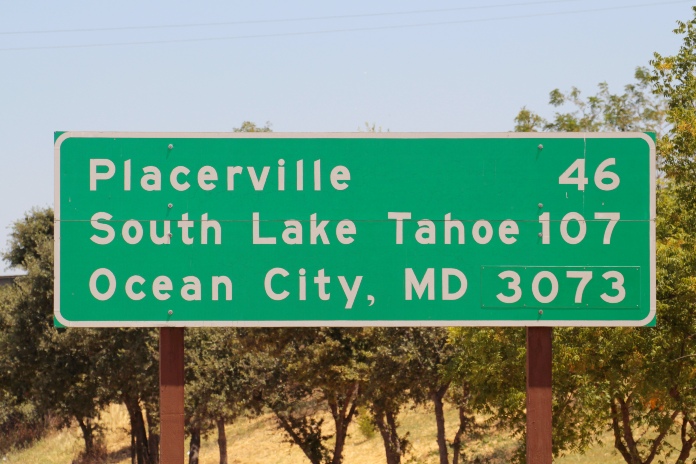
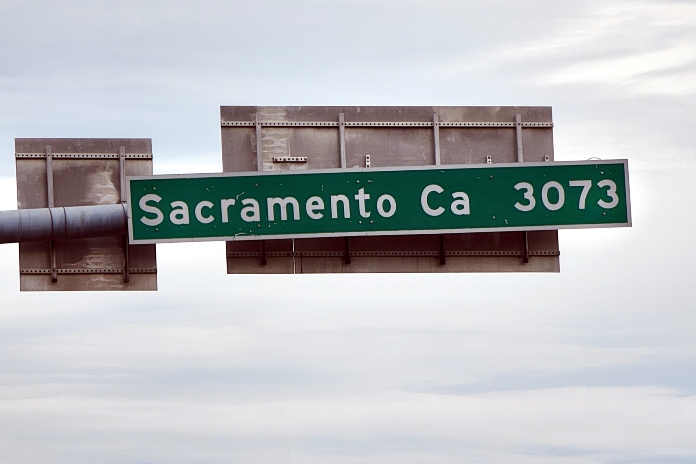
Until that ride, all my motorcycling adventures had been random, following no specific route, picking any combination of highways, generally in a westward direction to the Rockies and beyond. But on that earlier ride I picked one highway, U.S. Route 50, once referred to by Time magazine as “The Backbone of America,” my ride beginning in Cincinnati, Ohio, and ending in Sacramento, California. At the highway’s western end, there was a sign on the other side of the freeway telling eastbound travelers that 3,073 miles away was Ocean City, Maryland. Seeing that sign was all I needed to inspire my next journey, but life got in the way. It was time to finish my U.S. 50 adventure.
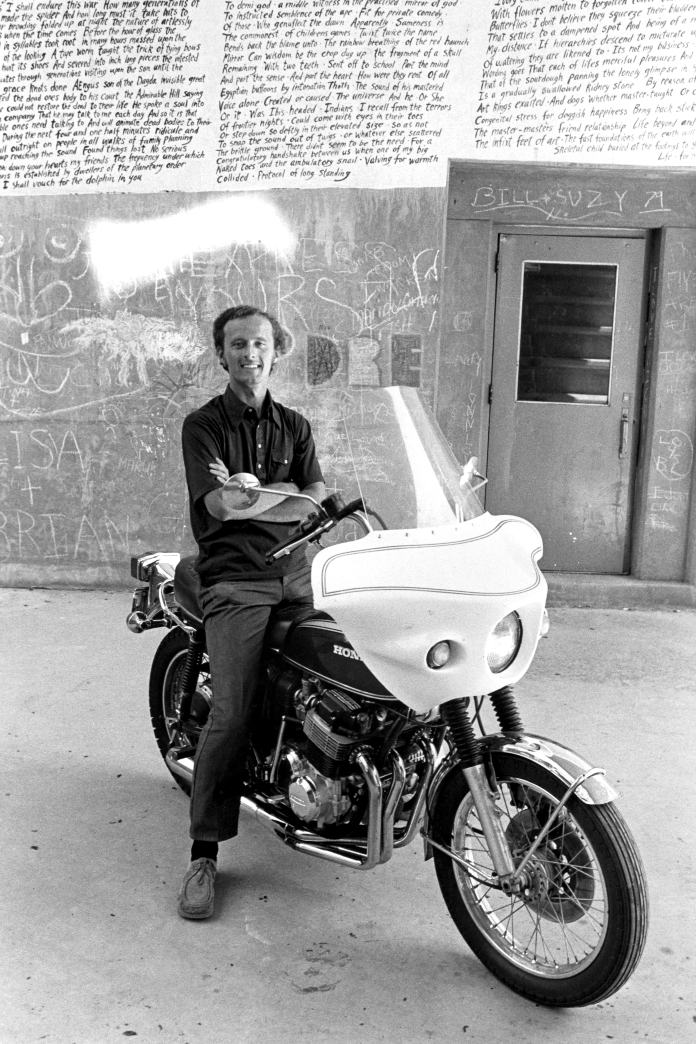
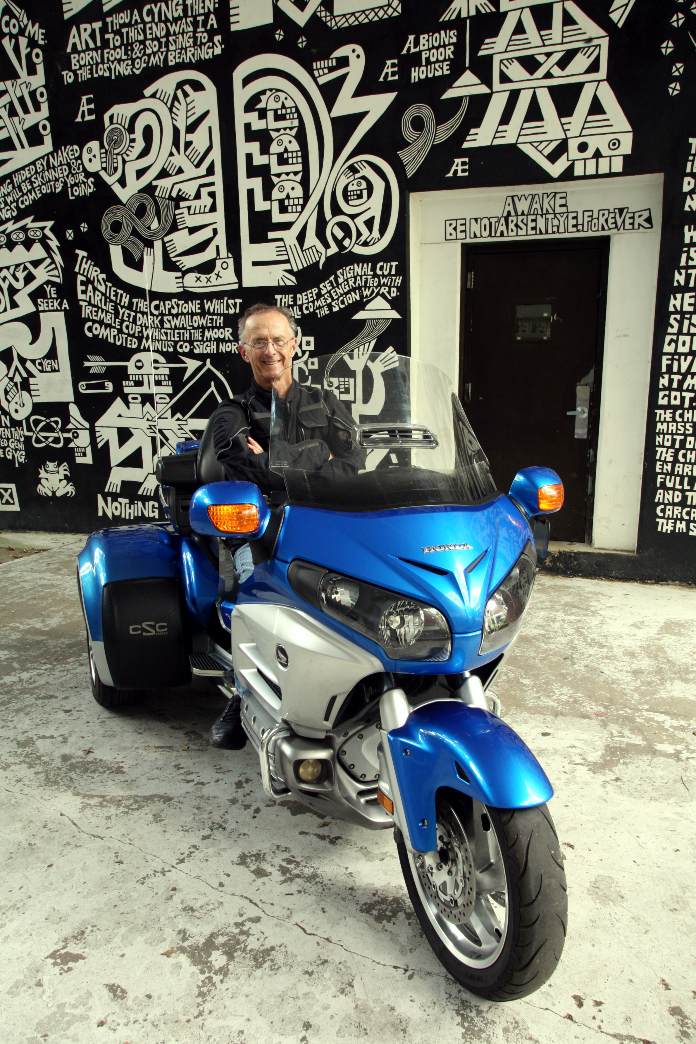
And there was another matter. Over my many years of riding, I’d long assumed that I’d touched my motorcycle’s tires in all the 49 continental states. But a few years back I realized I’d somehow missed Delaware. Only a stone’s throw out of my way, it became a second target for this ride.
To some degree, my two U.S. 50 rides had only their highway number in common, each half of our nation having a very different history. Riding in our expansive West, it was easy to contemplate the time of stagecoaches, the Pony Express, and gold and silver discoveries. But now I was heading east, farther back in America’s history.
As good fortune would have it, my second day on the road was my 75th birthday, giving me reason to pause and consider my own history. As the miles slipped by, my mind wandered back to life’s turning points and the singular moments that have come to define me: the warm kiss Cindy and I shared after saying “I do”; the first glimpse of our son, Kevin, when he was born; and an airliner, speeding down the runway at Da Nang Air Base in Vietnam, returning me home to a civilian life.
I knew the first part of this highway well. I’d grown up only an hour away from OU, in Zanesville, and during my early years rode in this area often. The four lanes of easy riding from Athens to Clarksburg, West Virginia, had changed little, but there were a few differences. In small Ellenboro, there was now a McDonald’s, and in smaller Smithburg, a fancy gas station and motel.
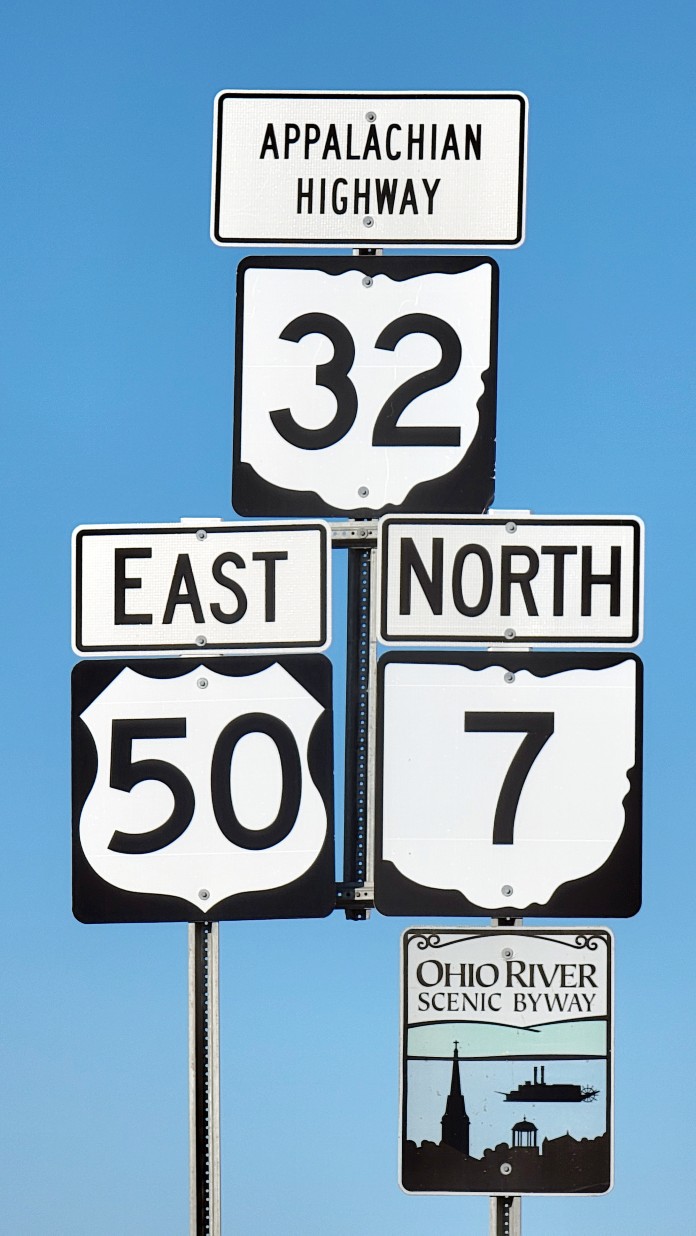
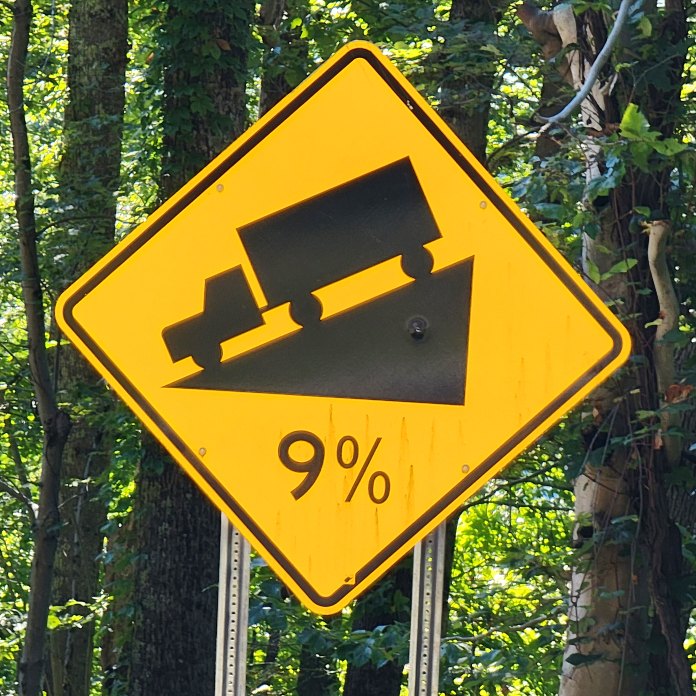
Soon I saw a sign, “Freeway Ends One Mile,” and finally, the highway became two lanes, transforming into the land of yard sales, crowing roosters, and small family gardens. In only 5 miles I stopped four times for pictures, then came a warning for a 3-mile-stretch with a 9% grade. Ain’t life grand?
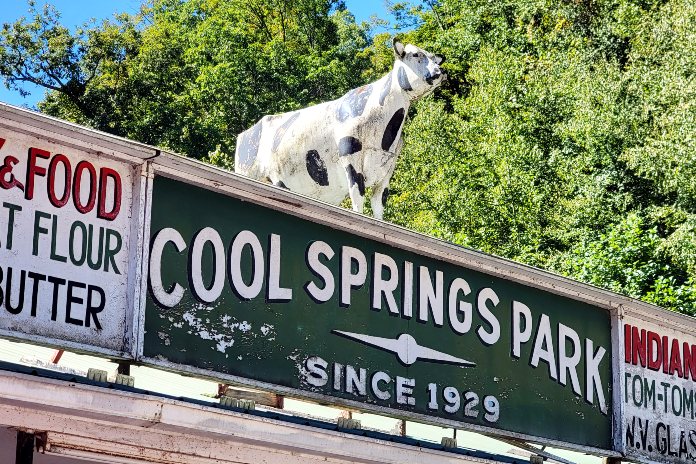
At the bottom of one of the long downhill grades, I found my way to Cool Springs Park, a general store dating from an era long ago. Outside were huge boxes of apples, maybe for making apple cider or pies, and dried corn on the cob, meant for feeding deer that inhabit the area.
Each of our 50 states has a specific personality, and West Virginia is a truly endearing place. The names of its roads and highways ring true to who they are, like Mountain Top, Sunset Drive, Rock Bottom, and Grassy Lick.
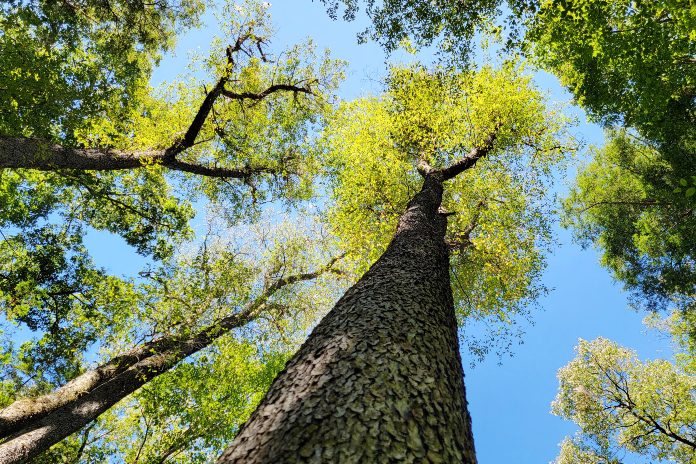
Virtually all the places I chose to investigate were found by happenstance. Ahead of me was something very different: the magical Cathedral State Park. Long ago, railroad barons needed what West Virginia, then part of Virginia, had: lumber for making railroad ties. Fortunes were made, the land denuded, except this place. As the story goes, the owner refused to sell, his now-500-year-old hemlock trees filling this park and my hike there one of the trip’s highlights.
Crossing into Virginia opened a fresh chapter. The names I saw evoked an element of distinction: Greystone, Mullwyck, and Amberstone, then Willow Pond and Stone Hill. Not long into the state I found Winchester, a vibrant, delightful place with an unmatched Civil War history, a small town I would consider if I were looking for a new place to call home.
My ride west on U.S. 50 had covered over 2,000 miles; my new ride east only around 500 over two days. Beyond my side trip to Delaware, there was only one place requiring a stop: Washington, D.C.
At dusk the Theodore Roosevelt Memorial Bridge welcomed me into the city. The view was spectacular, the monuments beautifully lit, with U.S. 50 becoming Constitution Avenue, one of the city’s major streets.
I was one of the lucky ones. I returned home from Vietnam mostly whole. I stepped out of my fatigues and seemingly never looked back. I hadn’t carried a rifle, didn’t fly aircraft into harm’s way, nor went on rescue missions when things went terribly wrong. The heroes did. I was no hero. I had a job to do, and I was rarely in danger. After coming home, college came and went, then Cindy and Kevin, my years generally trouble-free.
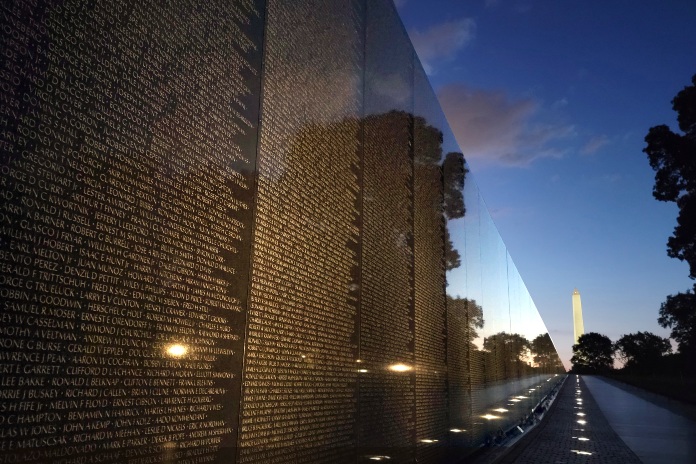
Decades ago, not long after the building of the Vietnam Veterans Memorial, I went to D.C. for business and visited “The Wall.” It was dark and early when I arrived. At first I could barely make out the shape of what had been so controversial. Then I was sobbing, crying as never before, far beyond anything in my past, even when my parents had passed.
I stood there, blinded by tears. All the loss welled up from within. Oddly, my life spared me knowing even a single soul’s name forever etched on the memorial. With no name to search for, my overwhelming thought went to my 50,000 brothers and sisters, all gone, their families forever broken. This is the place I had to witness again, to pay my respects and to say a prayer and a thank you for being brought home.
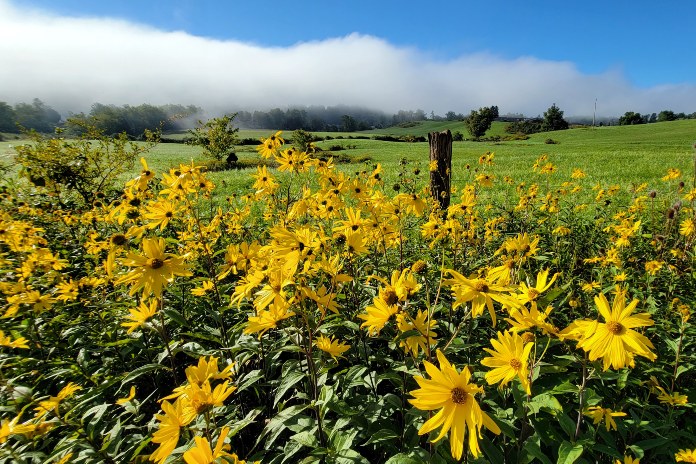
The highway into Maryland was a race, even on a Sunday morning. A driver flew by me, his license plate declaring, with unabashed honesty, “TOO FAST.” Once again there was a shift. The state had a different feel, with the Atlantic Ocean a short distance away.
In Annapolis, the museum on the grounds of the U.S. Naval Academy was my next stop. We from the Air Force and “those guys” have always had a rivalry, but we’re all on the same team. The tiny and historic city was captivating. In some places it looked like a movie set, somewhere you might find Captain Jack Sparrow in search of a mug of rum. I quickly got the feel for the area, with streets called Admiral Drive and Farragut Road.
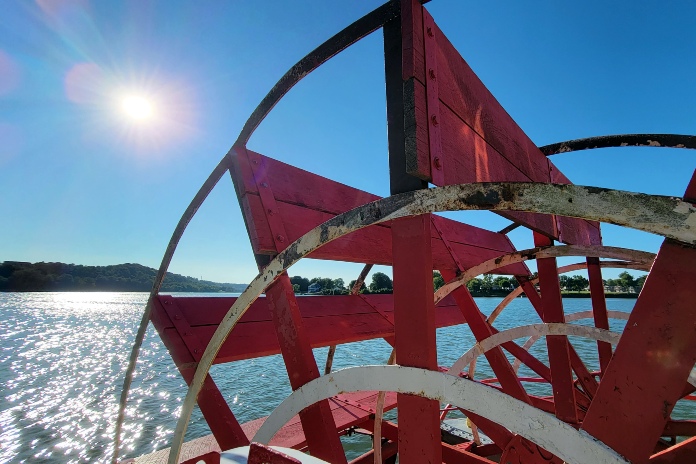
My walk to the museum was short but just long enough to get caught in the only rain on my way to Ocean City. Maybe the Navy gods were poking fun at the visiting fly boy. But once inside the museum, seeing John Paul Jones’ battle flag, “Don’t Give Up the Ship,” set in motion the gravity of what this place represents. Up on the second floor were models of incredible old ships, but in the back was a collection of truly special models, built by prisoners during the Napoleonic Wars from the bones scavenged from their prison meals.
Next came my side trip to Delaware, my 49th state. It was a brief exit from U.S. 50 and then back, but there had been no sign welcoming me to the state, only a token rectangle reminding everyone to “Keep DE Litter Free.” Come on, guys!
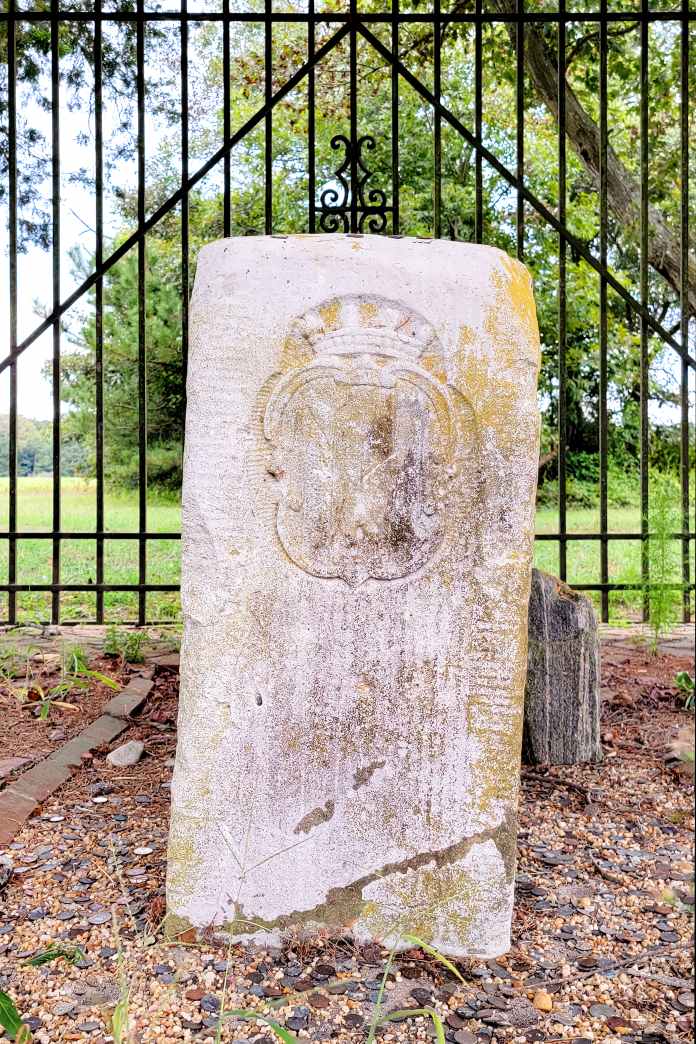
The east-west U.S. 50 highway could have ended in nearby Baltimore, so why was I now riding due south for close to two hours to reach the highway’s terminus? Once again, I found the highway lacked interest, plagued with occasional traffic lights with interminably long red cycles. Perhaps my patience was wearing thin, my goal after all these years nearly in sight.
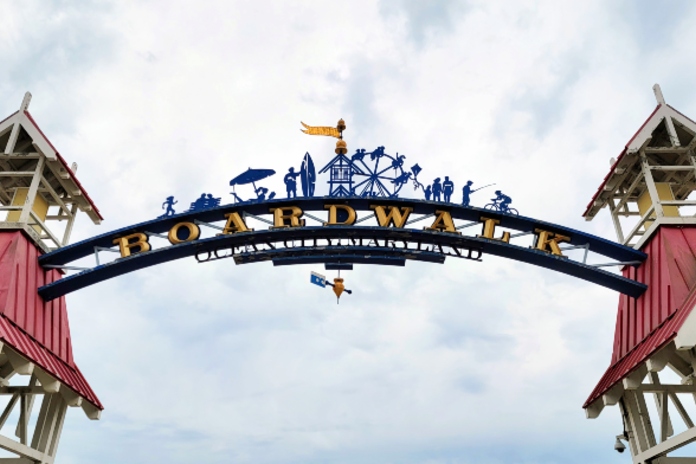
Long ago, when the highways we know today were in development, I’m guessing someone figured there needed to be a special eastern origin to begin U.S. 50, and they properly picked Ocean City. The place is a testament to how “fun” can be defined, with well over a hundred hotels with more than 10,000 rooms and a boardwalk sometimes 40 feet wide and almost two and a half miles long. If you can imagine it, you can find it in Ocean City.
Way back in California I’d photographed the highway sign, noting the distance to Ocean City. There is a similar sign in Maryland aimed at California. The sign hanging over the bridge leaving town was meant to be my final picture.
Out in front of our hotel were two women feeding birds. Neither the women nor any of the birds had any interest in me, so I took my final picture. Beyond the saltwater taffy, the hand-carved carousel, and the boardwalk, it is the beach and the ocean that are this place’s true appeal, a proper final memory of my U.S. 50 ride.
Years back I picked this highway on purpose: a commitment – right, wrong, or indifferent. U.S. Route 50 was designated nearly a century ago, and since then it has morphed by necessity into what was considered best for the driving public. Some parts are four-lane and mundane, while others reflect its earlier history, where there is still character and where travel is slower. And I had finally ridden it all, from end to end.
See all of Rider‘s touring stories here.
U.S. Route 50 Motorcycle Ride Resources
- Ohio Tourism
- Athens, Ohio
- Ohio’s Windy 9
- West Virginia Tourism
- Cathedral State Park (WV)
- Virginia Tourism
- Maryland Tourism
- U.S. Naval Academy Museum (MD)
- Delaware Tourism
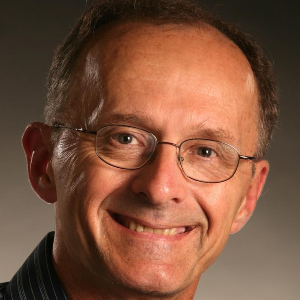
Ken Frick’s first story for Rider appeared in 1988, with many others to follow. He calls central Ohio home, from where he made his living as a freelance commercial photographer. A library of Ken’s photography and writing can be found at KenFrick.photography.