

Harley is betting on a bigger international stage, but walking away from one of America’s most compelling racing series could cost the brand more than it realizes.
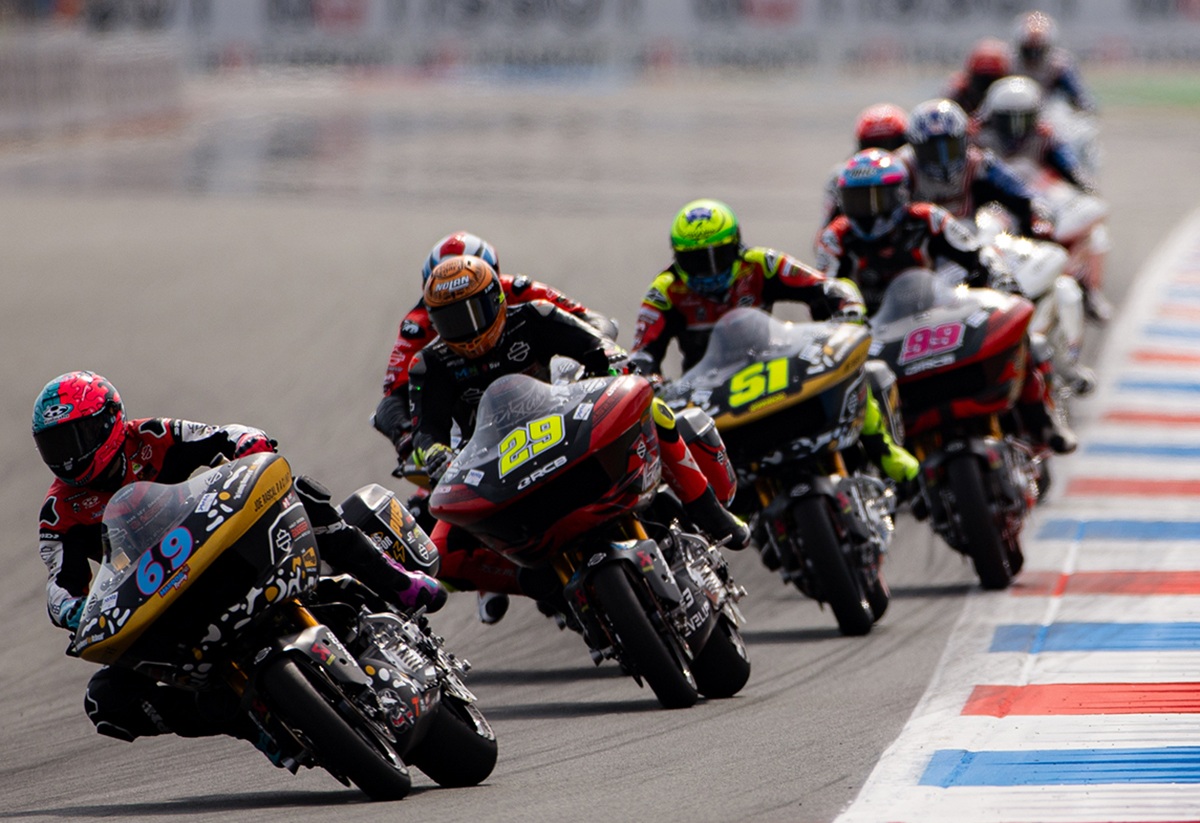
Harley-Davidson has never been shy about celebrating its American roots. Freedom, individuality, the open road, and a healthy dose of rebellion are woven into the company’s identity. So when Harley announces a major shift in its racing strategy, it’s worth asking not just where the company plans to go, but what it’s leaving behind.
On October 1, Harley-Davidson announced that it would end its factory racing participation and official team support in MotoAmerica’s King of the Baggers after the conclusion of the 2026 season. Beginning in 2027, the company will instead concentrate its factory supported racing efforts in the FIM Harley-Davidson Bagger World Cup, a championship launched in partnership with MotoGP, the International Road Racing Teams Association, and the FIM. Harley also says it plans to develop more accessible grassroots racing opportunities across multiple disciplines.
On paper, the strategy has a certain logic. The Bagger World Cup puts Harley-Davidson machinery in front of an international audience, with the company planning to expand the series with additional teams, riders, and races in 2027. Harley says the championship will serve as a platform for testing performance technology, supporting future motorcycles, and the development of Screamin’ Eagle performance products.
It’s a chance to put the Harley name on a global stage and connect its racing program more directly to the products customers can buy.
But there’s a catch. In pursuing that opportunity, Harley is walking away from a series that helped make racing big, American baggers a legitimate spectacle, built a fierce rivalry with its oldest domestic competitor, and gave American motorcycle racing something genuinely different.
And frankly, I think that really sucks.
The Rivalry Was the Point
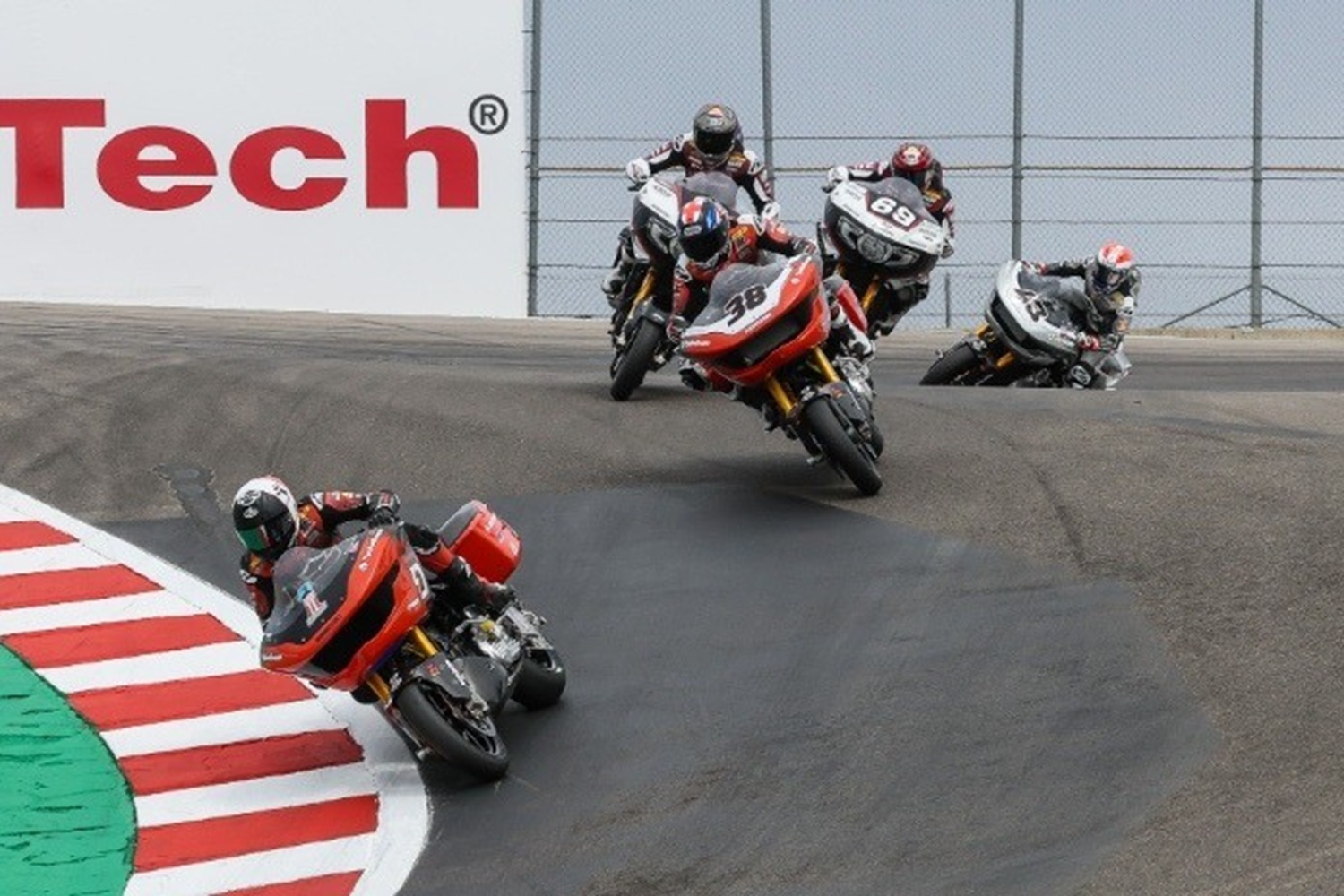
King of the Baggers began as an unlikely idea: Take big American touring motorcycles, keep their basic bagger identity, turn them into race bikes, and see what happens. What did happen was that fans showed up, the competition intensified, and the series became one of the most distinctive attractions in American road racing.
The formula worked because it was about more than fast motorcycles. It was about Harley-Davidson versus Indian Motorcycle, Milwaukee versus Minnesota, and two manufacturers with a long history of competing for the loyalty of American riders.
The championship results tell the story. Since King of the Baggers became a multi-round championship in 2021, Harley and Indian have each claimed three titles. Harley-Davidson won in 2021, 2023 and 2025, and Indian Motorcycle answered in 2022, 2024 and 2026. Harley’s Kyle Wyman became the winningest rider in the category’s history, with 27 victories.
That back-and-forth gave fans a reason to pick sides, follow the championship, and debate which manufacturer had built the better racing machine. It also gave both companies a platform to demonstrate what their motorcycles could do when pushed well beyond the limits of ordinary street riding.
This was not some obscure competition that had failed to find an audience. King of the Baggers became a showcase for the performance potential of motorcycles that, until recently, many people would have considered entirely unsuitable for road racing. The spectacle was part of the appeal, but so was watching two manufacturers develop their machines and battle for supremacy.
Now one of those manufacturers is exiting the fight.
A Global Stage, but at What Cost?
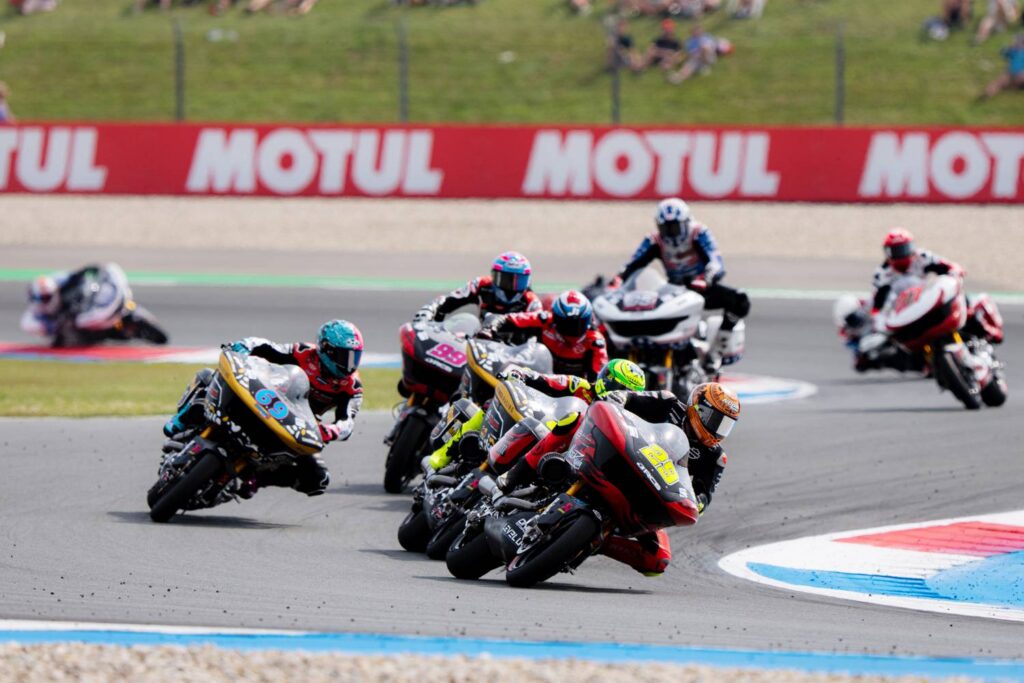
Harley-Davidson’s decision isn’t a complete retreat from competition. The company is betting that the Bagger World Cup, with its association toMotoGP, offers a better platform for reaching international audiences and promoting its performance credentials. That may prove to be a worthwhile investment for the business.
The World Cup also gives Harley a championship built exclusively around its own motorcycles, rather than one that shares the spotlight with a direct competitor. That distinction is important. In King of the Baggers, Harley’s success has always been measured against Indian. In a Harley-only championship, the company can showcase its machines without having to beat Indian to win the headline.
But a manufacturer-only series cannot recreate the same kind of rivalry. Different teams and riders can deliver close racing, and a one-make championship can certainly be entertaining. Still, there is something uniquely compelling about watching two American manufacturers fight for the same trophy on fundamentally different motorcycles.
Harley’s other stated priority is grassroots racing, with opportunities intended to reach riders across different disciplines and experience levels. That could be valuable if it translates into meaningful support for local racers, dealerships, and the people who keep motorcycle competition alive. The company has not yet detailed all the specifics of that program, and it remains to be seen what it will deliver. If anything.
Meanwhile, the consequences for King of the Baggers are immediate. MotoAmerica said it shared fans’ disappointment and acknowledged that receiving the news so late created challenges. The organization is exploring options for continuing to support the class, but the Championship’s future now faces an uncertain period. Indian, by contrast, has reaffirmed its commitment to the series.
Harley’s factory team will finish its 2026 campaign with an impressive record, but the timing of its departure leaves a difficult question hanging over the paddock: What does King of the Baggers look like without a factory-backed Harley-Davidson team?
Privateer efforts may continue to field Harley-Davidson motorcycles, and the company’s decision does not mean Road Glides will automatically disappear from the grid. But ending official team support is a meaningful change, and the level of factory involvement has helped drive the technical development and manufacturer rivalry that made the series what it is.
Harley’s Home Turf
What bothers me most about this decision is not that Harley-Davidson wants to expand its international presence. There is nothing wrong with that. Racing can be a powerful way to build a brand, develop technology, and introduce motorcycles to new audiences.
It’s that Harley is pulling its factory effort from a championship that feels so fundamentally connected to its own identity and home market.
King of the Baggers is American motorcycle racing in its most gloriously unconventional form. It celebrates the big V-twins, touring platforms, and heavyweight machines that have long been part of this country’s motorcycling culture. It takes motorcycles associated with cross-country trips, two-up rides, and weekend escapes, then turns them loose on a racetrack. It is distinctly American, and Harley-Davidson helped make it happen.
If any manufacturer should understand the value of supporting a series like this, it should be Harley.
There is also a bigger-picture concern. Racing is not simply a marketing exercise in which a company selects whichever platform offers the largest potential audience. It’s an investment in the sport, its competitors, its fans, and the next generation of riders. Factory programs help create development opportunities, attract sponsors, elevate independent teams, and give fans a reason to connect with a brand beyond the showroom.
Harley has benefited from its participation in King of the Baggers. The series gave the company an opportunity to demonstrate the capabilities of its motorcycles, and the competition with Indian helped turn that demonstration into a compelling story. The company’s own announcement acknowledged that Indian’s fierce competition pushed its team to improve and made its victories more meaningful.
That is precisely what makes the departure disappointing. Harley is walking away from a rivalry it helped build, one that has delivered meaningful competition and helped make an entire category of motorcycle racing more popular.
So Much for American Muscle
I want Harley-Davidson to succeed on the world stage. I want the Bagger World Cup to thrive, and I want the company’s grassroots initiatives to put more Americans on the starting grid. But damn it, I also want Harley to remember how they got here in the first place. The American riders, racers, fans, and working-class communities that built this brand into an icon didn’t do it by watching from the sidelines. They did it by showing up, buying the bikes, flying the flags, and backing Harley-Davidson against its oldest rival. That loyalty deserves the same commitment in return.
Because winning on the world stage is great. But winning on American soil, against Indian, in a Championship built around the very motorcycles that made Harley-Davidson a household name? That’s something special – that’s American motorcycle racing at its best – and it’s exactly the kind of fight Harley should want to be a part of.
King of the Baggers proved that American touring motorcycles could be more than comfortable long-distance machines. They could be fast, fierce, and downright badass. Harley-Davidson helped build that Championship, helped turn it into must-watch racing, and its factory team won half of the available titles from 2021 through 2026. This wasn’t some forgotten corner of the racing world. It was a homegrown success story, one that put American V-twins, American ingenuity, and an old-fashioned Harley-versus-Indian rivalry back in the spotlight.
Maybe the company has its reasons. Maybe the Bagger World Cup and its new global strategy will pay off. I genuinely hope they do. But I can’t shake the feeling that Harley-Davidson is turning its back on the very people and the very market that helped make it what it is. There’s nothing wrong with chasing global success, but not at the expense of your own backyard.
You shouldn’t abandon the home crowd that built your legacy just because there’s a bigger stage overseas. Harley-Davidson is an American icon, and its commitment to American racing should reflect that. The fans deserve it. The sport deserves it. And frankly, Harley-Davidson deserves better than to walk away from a fight it helped make worth watching.