

Three new parks in the Central Valley could give motorcyclists more reasons to explore a less-traveled part of the Golden State.
California is known for its spectacular motorcycle destinations. Highway 1 hugs the Pacific Coast, the Sierra Nevada offers miles of mountain riding, and the redwood forests of the north provide some of the most memorable scenery in the country. But there’s another part of the Golden State that often gets less attention from travelers: the Central Valley. That could change as California moves forward with plans to establish three new state parks in the region.
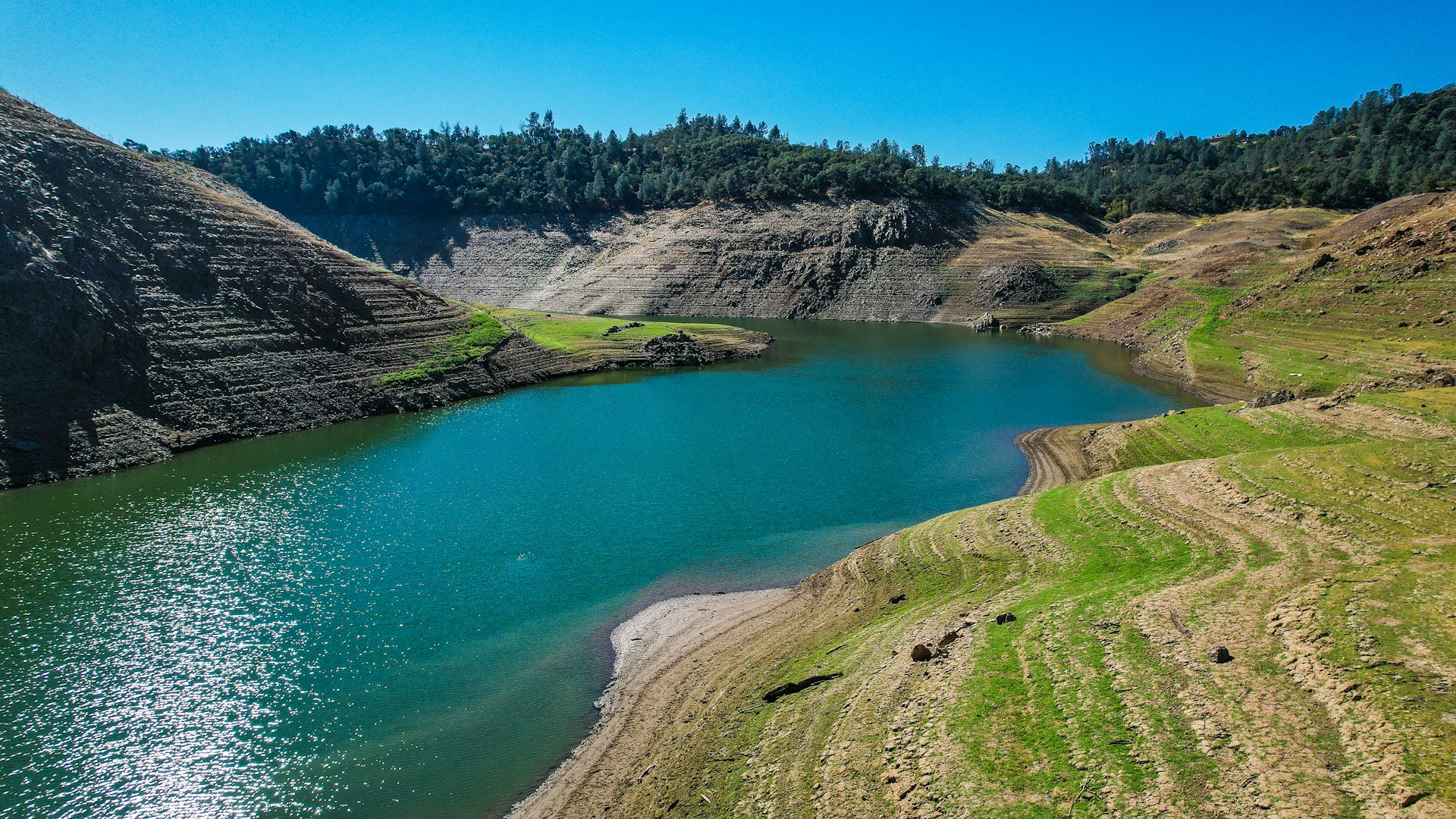
The State Parks Forward initiative represents the biggest expansion of California’s state park system in decades. The plan would bring the statewide total to 283 parks while adding 30,000 acres to existing parks by the end of the decade. The three proposed parks span approximately 330 miles through the Central Valley, offering a combination of river recreation, natural habitat and California history.
For riders looking for another reason to take the long way through California, each location offers something a little different.
Feather River Park
Located near Olivehurst in Yuba County, approximately 50 miles north of Sacramento, Feather River Park would encompass nearly 2,000 acres along the Feather River. It would also become the first state park in Yuba County.
The property includes restored natural areas, floodplain habitat and opportunities for outdoor recreation. Plans highlight a boat launch and riverside beach, giving visitors access to the Feather River for water-based activities. For motorcyclists exploring the Sacramento Valley and Sierra Nevada foothills, the park could eventually make an appealing stop to stretch their legs, enjoy the river and spend some time away from the pavement.
San Joaquin River Parkway
Further south, the proposed San Joaquin River Parkway would bring together several existing public properties along the San Joaquin River in Fresno and Madera counties. The resulting park would cover approximately 874 acres, expanding public access to the river and creating additional opportunities for recreation.
The parkway is already home to a collection of multiuse parks and public spaces on both sides of the river. Its development as a state park would complement nearby Millerton Lake State Recreation Area, helping establish a larger outdoor recreation destination near Fresno. For riders passing through the Central Valley, it could provide another worthwhile stop along a route connecting the region’s cities, foothills and mountain destinations.
Dust Bowl Camp
The smallest of the three proposed parks may have the biggest historical significance. Located near Bakersfield in Kern County, Dust Bowl Camp would preserve the Sunset Migratory Labor Camp, also known as Weedpatch Camp.
Established during the Great Depression, the camp provided housing for displaced agricultural workers who left the Dust Bowl in search of work in California. It also served as the inspiration for John Steinbeck’s Pulitzer Prize-winning novel The Grapes of Wrath, which he dedicated to the camp’s administrator.
Listed on the National Register of Historic Places and the California Register of Historical Resources, the roughly 2-acre site contains original buildings from the 1930s and 1940s. It would become California’s first state park directly focused on the Dust Bowl and migrant farming camps, preserving an important piece of American history for future generations.
More California to Explore
The three new parks are only part of the State Parks Forward initiative. California also plans to add 30,000 acres to existing state parks by the end of 2030, protecting additional natural areas, wildlife habitat and recreational land. Recent acquisitions include 453 acres added to Montgomery Woods State Natural Reserve, 218 acres added to South Yuba River State Park and 133 acres added to Pigeon Point Light Station State Historic Park.
There is still some waiting involved. As of November 2026, the three proposed parks remain in the planning and development process. California State Parks has gathered public input on how the properties should be developed, but has not announced opening dates.
For motorcyclists, the appeal is about more than adding three new pins to a map. California’s Central Valley is often treated as a stretch to cross between more famous destinations. Preserving more of its rivers, landscapes and history gives riders another reason to slow down and explore. And sometimes the best part of taking the long way is discovering a place you might otherwise have ridden right past.