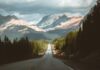


There are many great motorcycling roads in Montana, but if you want to make the most of a cross-state ride, U.S. Route 2 across the northern part of the state offers the most variety on a single stretch. From the Idaho border on the west side to North Dakota on the east, this road takes riders from Rocky Mountain forests and whitewater rivers to the wide-open plains of Big Sky Country, skirting away from big cities in favor of small towns and communities.
U.S. Route 2 crosses 665 miles through Montana, and much of it follows the Hi-Line railroad. Riding from west to east gives riders immediate sights and mountain riding followed by a final laid-back cruise through the plains. Ride the other direction for a gentle start and rewarding finish.
On the western side of the state, the first stop should be Kootenai Falls. This was the filming site of the waterfall drop scene in the 2015 movie The Revenant, featuring Leonardo DiCaprio as Hugh Glass dropping down the falls to escape his pursuers. For views of the Kootenai River, ride a little farther to the Swinging Bridge.
At a Glance
Location: Northern Montana
Distance: Approximately 665 miles
Ride Time: 12 hours (not including overlooks and stops)
Speed Limit: 25-70 mph
Best Direction to Ride: Eastbound or westbound
Skill Level: Beginner to intermediate
Best Bike Type: Sport-touring, touring, sportbike, cruiser
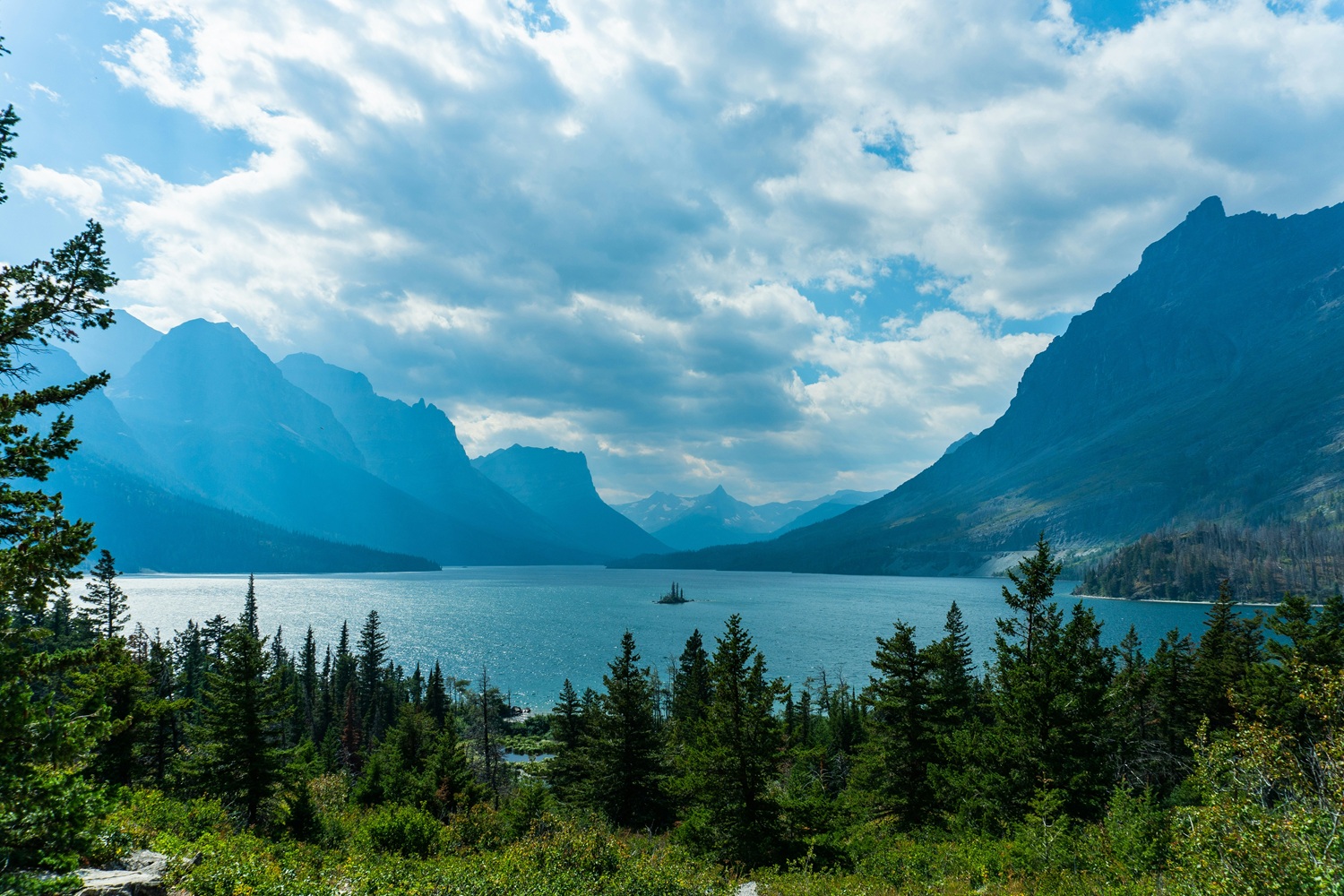
Continue east through Kalispell, the largest town on the highway, before entering Glacier National Park. The road through the park follows the Flathead River and offers grand mountain views and shaded forests. Here, U.S. 2 climbs up to Marias Pass and the Continental Divide at 5,220 feet. At this point, you’ll find monuments to Theodore Roosevelt, in honor of his preservation efforts, and John F. Stevens, who routed the Great Northern Railroad over the pass.
As you exit the park and continue east, the mountains fade in your rearview and the plains open up around you. From here on, you’ll enjoy big skies and stops at small towns teeming with history. Browning, home of the Blackfeet Indian Nation, offers the Museum of the Plains Indian and the Blackfeet Heritage Center and Art Gallery. A little farther on is Shelby, home of the Marias Museum of History and Art.
Continue through the towns of Chester, Inverness, and Rudyard, where you can visit the Depot Museum and Dinosaur Museum. In Havre, you’ll find the Wahkpa Chu’gn Buffalo Jump archeological site and attractions like Havre Beneath the Streets, which takes visitors on a tour of the underground city used by businesses as Havre was being rebuilt after it was destroyed by a fire in 1904.
Other stops worth visiting as you ride through the open plains are the Bear Paw Battlefield just outside of Havre, the Bowdoin National Wildlife Refuge, and the Sleeping Buffalo Hot Springs in Saco. As you approach the North Dakota border, signs of human habitation become scarce, giving way to a peaceful and meditative end to your journey through Montana.
Travel Resources
Maps & Routes
Click to view the route on REVER
Click here to download the GPS files
Road Conditions
U.S. 2 through Montana is mostly two-lane pavement between small towns. The western portion is in fair condition, but the elevation and winter weather conditions cause delayed and patchy maintenance, resulting in some rough sections. The eastern half is straight and flat, with well-paved surfaces.
The western half in the Rockies includes sweeping corners and elevation change, but it is not as technical as some other mountain roads in the area. Riders should be careful when coming around curves on sections of the road without a shoulder. The eastern half can be monotonous, so riders should take advantage of the small towns along the way to stop and explore.
When to Travel
The best time to ride U.S. Route 2 in Montana is in the summer, from July to September. Snow and winter weather can cause road closures, especially at Marias Pass. Even when the road is open, snow and ice can make the road treacherous. By July, snow at the pass has melted and seasonal businesses are open to support tourists to Glacier National Park.
Road Food
Northern Montana features a meat-heavy food culture defined by burgers, ranch-raised beef, and wild game meats like bison and elk. Travelers can also expect many fried foods.
U.S. Route 2 passes through three Native American reservations in Montana, where travelers can often find meals with fry bread like Indian tacos. When in season, huckleberries and Flathead cherries are popular ingredients in a range of dishes and desserts.
Towns like Kalispell, Havre, and Malta will have more options for dining, including steakhouses, pizza restaurants, and breweries. Staying the night in these towns allows time to explore the food scene after a long day in the saddle.
Where to Stay
This road doesn’t pass through any major cities, but plenty of small to midsized towns offer lodging with nearby restaurants and attractions. Kalispell, the largest town on the route, has many good hotel options, like the Kalispell Grand Hotel, located in the downtown area within walking distance of restaurants, bars, and attractions and built in 1912. Book hotels ahead of time, especially during peak tourist season, to ensure you’ll have a room.
Glacier National Park offers several lodges and hotels with scenic views. Lake McDonald Lodge inside the park is a popular choice, situated on the largest lake in the park and featuring 82 rustic guest rooms, two restaurants, a bar, a gift store, and more. The park also offers 13 campgrounds ranging in size and amenities. For a historic stop, consider the Belton Chalet in West Glacier, located on U.S. 2. This chalet was built in 1910 and is a National Historic Landmark.
Points of Interest
Marias Pass
Museum of the Plains Indian
Blackfeet Heritage Center and Art Gallery
Marias Museum of History and Art
Bowdoin National Wildlife Refuge
If You Have More Time
Riders seeking a technical challenge should depart U.S. 2 at West Glacier and turn north onto Going-to-the-Sun Road. This 50-mile road was completed in 1933 and traverses the park. Expect scenic mountain views along with tight corners, switchbacks, and narrow pavement. Only take Going-to-the-Sun Road in the peak of summer, as winter conditions make it impassable, especially at Logan Pass, the highest point on the road at 6,646 feet.
Riders may also wish to continue on U.S. Route 2 west into Idaho or head south toward the Wyoming border and into Yellowstone National Park.